
The Future of Architecture: From Sustainability to Conscious Design


The future of architecture is not only about sustainability—it is about consciousness.
A consciousness that extends beyond materials and energy efficiency, into how spaces influence people, how they connect to nature, and how they are shaped by the awareness of those who design them.
Designing with Awareness
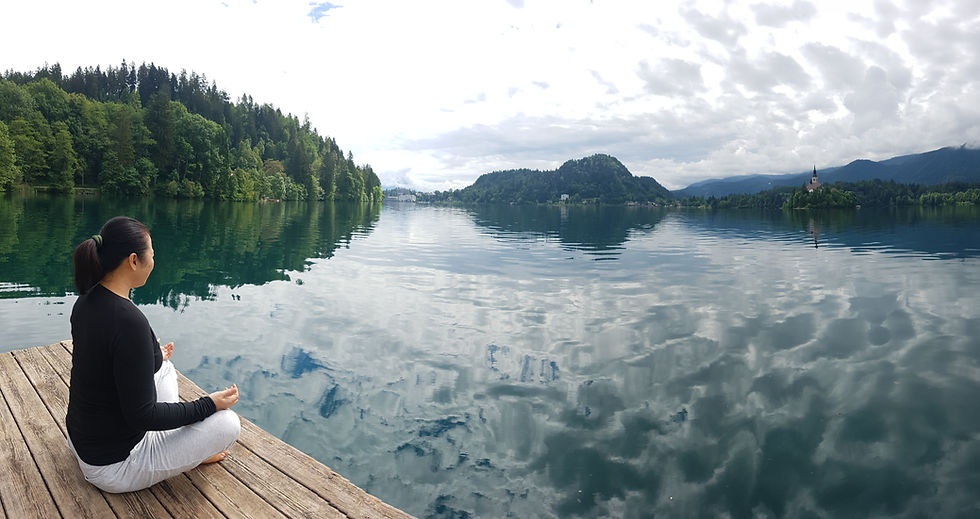
As our awareness evolves—through practices such as meditation, reflection, or deeper observation—the environments we create can evolve with us.
Spaces designed with intention and sensitivity begin to do more than serve a function. They start to resonate with the natural forces around us and support the inner experience of those who inhabit them.
In this way, architecture becomes not just physical design, but an extension of human consciousness.
Nature as a Living System
Nature is not simply a backdrop to design. It is a dynamic system—an interplay of elements: earth, water, fire, air, and space.
The spaces we inhabit—where we live, work, and rest—reflect this same structure. In many ways, they mirror the human body, which itself is a microcosm of nature.
This perspective reveals a deeper truth:
We are not separate from our environment. We are part of a continuous, interconnected system where everything influences everything else.
Architecture as a Bridge
So how does this translate into the built environment?
Architecture sits at the intersection of two forces:
the intelligence of nature
the intention of human design
A well-designed space does not dominate nature, nor does it ignore it. Instead, it creates harmony between the two.
It gently shapes natural elements to support human wellbeing—physically, mentally, and even emotionally—while remaining deeply connected to the natural world.
In this sense, architecture becomes more than shelter. It becomes a living interface between humans and nature.
Ancient Wisdom, Modern Relevance
This understanding is not new.
Across cultures and traditions, similar principles have existed for centuries:
Feng Shui (China): alignment with the flow of energy
Vastu Shastra (India): design in harmony with natural and cosmic forces
Kabbalah (Hebrew tradition): the universe reflected within human experience
Christian philosophy: the body as a temple, and creation as sacred
Ancient structures (e.g. Stonehenge): alignment with celestial cycles
Each tradition uses different language, yet they point toward the same idea:
There is a deeper relationship between space, energy, and human experience.
A Return to Integration
At its core, this perspective reminds us:
We are not separate from nature. We are not separate from each other.
Architecture, then, becomes more than construction. It becomes a way of restoring this connection.
A way of shaping spaces that:
support wellbeing
enhance awareness
reconnect us to the natural world
Closing Reflection
As we move forward, the role of architecture may shift—from building structures to shaping experiences.
From designing object to designing environments that support how we live, feel, and connect.
Because ultimately, the spaces we create…shape the way we experience life.
Author: Christina Kim
Comments